


Importance of Pipeline Maintenance
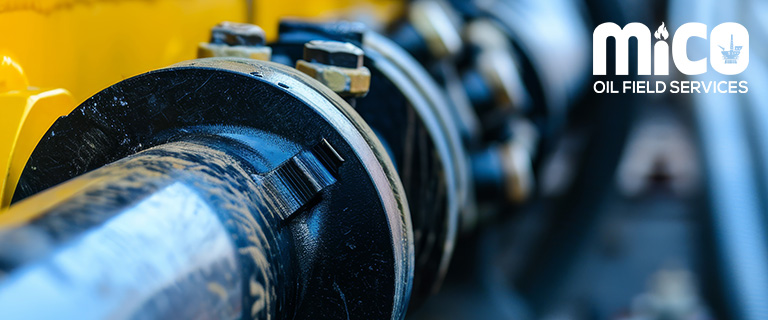
Pipelines are often referred to as the arteries of the oil and gas industry, and for a good reason. They form an extensive network that transports crude oil, natural gas, and refined products over vast distances, from production sites to refineries and ultimately to end-users. This network is essential for maintaining a steady supply of energy, which fuels economies and supports modern life. The integrity and functionality of these pipelines are crucial; any disruption can lead to significant economic losses, environmental damage, and safety hazards.
Effective pipeline maintenance ensures that the infrastructure remains reliable and safe. It involves a variety of practices and technologies designed to prevent leaks, bursts, and other failures that could lead to disastrous consequences. Maintenance is not only about fixing problems when they arise but also about proactive measures to detect and address potential issues before they escalate. In a sector where a single incident can lead to severe financial and environmental repercussions, the importance of diligent maintenance cannot be overstated. Ensuring pipeline integrity is not merely a regulatory requirement but a critical component of operational excellence and corporate responsibility.
Common Challenges in Pipeline Maintenance
Maintaining pipelines involves navigating a myriad of challenges, each demanding meticulous attention and specialized solutions. One primary challenge is corrosion, which can severely compromise pipeline integrity over time. Corrosion is influenced by various external factors such as soil composition, moisture, and temperature variations, all of which accelerate the degradation process. Internal corrosion, driven by the chemical properties of the transported materials, also poses significant risks and requires constant monitoring to prevent internal weakening of the pipeline walls.
Mechanical damage is another significant challenge, often resulting from external forces like construction activities, unauthorized excavation, or natural events such as earthquakes. This type of damage can be immediate or develop over time, making early detection essential to prevent catastrophic failures. Additionally, managing the vast and often remote pipeline networks poses logistical challenges, complicating regular inspection and maintenance efforts. Accessibility issues in remote or hostile environments can hinder timely maintenance, necessitating innovative solutions to ensure continuous monitoring and intervention.
Proven Best Practices and Techniques
Addressing these challenges demands a comprehensive approach, combining preventive, predictive, and corrective maintenance strategies. Preventive maintenance focuses on regular inspections and the application of protective coatings to mitigate corrosion. This approach extends the pipeline’s lifespan by addressing potential issues before they escalate. Regular pigging, a process where devices called pigs are sent through the pipeline to clean and inspect it, is a standard preventive measure. These pigs can remove debris, detect anomalies, and apply coatings internally, thereby enhancing the pipeline’s durability.
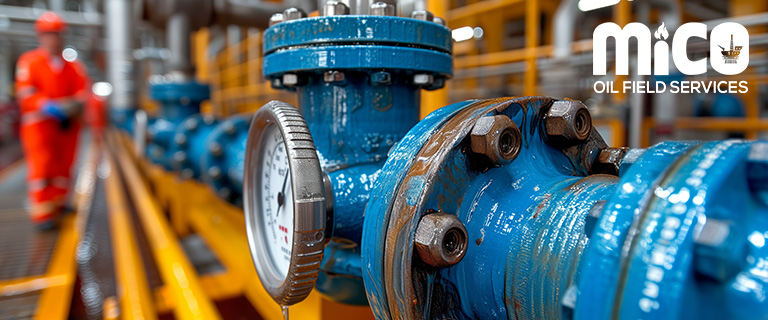
Predictive maintenance leverages data analytics and monitoring technologies to forecast potential failures. By analyzing patterns and anomalies in operational data, maintenance teams can predict and preemptively address issues, reducing downtime and repair costs. Technologies such as fiber optic sensors and acoustic emission detectors provide real-time data on the pipeline’s condition, allowing for early detection of issues like leaks and structural weaknesses. This data-driven approach enables more efficient resource allocation and minimizes the risk of unexpected failures.
Corrective maintenance, though reactive, remains a critical component, ensuring prompt response to detected problems. Techniques such as hydrostatic testing, which involves pressurizing the pipeline with water to check for leaks, are essential for identifying and addressing integrity issues. This method is particularly useful for assessing the structural integrity of older pipelines, ensuring they can withstand operational pressures without failing. Additionally, cathodic protection, a technique that uses electrical currents to prevent corrosion, is often employed as part of corrective maintenance to extend the pipeline’s lifespan.
The Role of Technology in Modern Pipeline Maintenance
Advancements in technology have revolutionized pipeline maintenance, making it more efficient and effective. One such innovation is intelligent pigging, a method that involves sending inspection devices known as pigs through pipelines. These devices collect data on pipeline conditions, detecting anomalies like corrosion, cracks, and deformations. Intelligent pigs are equipped with advanced sensors and data processing capabilities, allowing for detailed analysis of the pipeline’s internal state. This technology enables precise localization of issues, facilitating targeted maintenance efforts and reducing the need for extensive, costly inspections.
Another technological advancement is the use of drones for aerial inspections. Drones equipped with high-resolution cameras and sensors can cover extensive pipeline networks, providing real-time visual data and identifying issues that may not be apparent from ground inspections. This method is particularly useful in remote or hazardous areas where traditional inspection methods may be impractical or dangerous. Drones can quickly and safely gather data, enhancing the efficiency and effectiveness of inspection processes.
Digital twins, virtual replicas of physical pipelines, also play a crucial role. These models allow operators to simulate various scenarios and assess the impact of different maintenance strategies, enhancing decision-making and planning. By integrating data from sensors and inspection devices, digital twins provide a comprehensive, real-time view of the pipeline’s condition. This technology facilitates predictive maintenance, enabling operators to anticipate issues and implement preventive measures before problems arise. The use of digital twins also supports scenario planning, helping operators prepare for potential disruptions and optimize maintenance schedules.
Case Studies of Successful Maintenance Strategies
Several case studies highlight the effectiveness of these maintenance strategies. For instance, a leading oil company implemented a predictive maintenance program using machine learning algorithms. By analyzing sensor data, the program identified patterns indicative of corrosion and potential leaks. This proactive approach reduced unplanned downtime by 30% and cut maintenance costs by 25%. The success of this program underscores the value of integrating advanced analytics and machine learning into maintenance practices, demonstrating significant benefits in terms of operational efficiency and cost savings.
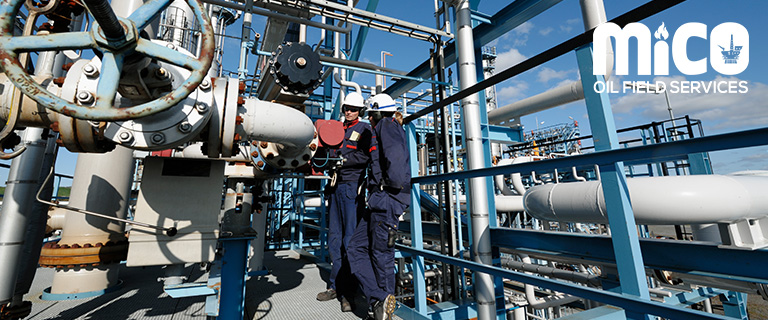
In another instance, a pipeline operator deployed intelligent pigging technology to inspect an aging pipeline network. The detailed data collected by the pigs enabled the operator to prioritize maintenance activities, addressing critical issues before they led to failures. This strategy not only enhanced safety but also extended the pipeline’s operational life by several years. The use of intelligent pigging provided the operator with actionable insights into the pipeline’s condition, facilitating more effective and targeted maintenance efforts.
Another case involved the use of drones for aerial inspections in a remote, environmentally sensitive area. The drones identified a minor leak that had gone undetected by traditional ground inspections. By addressing the issue promptly, the operator prevented a potentially significant environmental incident and avoided costly cleanup operations. This example illustrates the advantages of using drones for pipeline inspections, particularly in challenging or inaccessible locations.
Synthesizing Insights and Future Trends
The integration of preventive, predictive, and corrective maintenance strategies is essential for comprehensive pipeline management, addressing both immediate and long-term challenges. Preventive measures like regular inspections and protective coatings mitigate corrosion, while predictive technologies such as intelligent pigging and digital twins enable early detection and proactive intervention. Corrective techniques, including hydrostatic testing and cathodic protection, ensure prompt responses to identified issues. Technology, especially intelligent pigging, drones, and digital twins, enhances the efficiency, accuracy, and safety of maintenance operations, providing unprecedented insights into pipeline conditions. Future advancements in AI and machine learning will further refine predictive maintenance, making forecasts more accurate and timely. Additionally, innovations in materials and coatings will enhance corrosion resistance, extending pipeline lifespans. Environmental considerations will drive the adoption of sustainable practices, such as eco-friendly coatings and renewable energy for maintenance activities, balancing operational efficiency with environmental responsibility. In conclusion, a dynamic and forward-thinking approach, embracing best practices and cutting-edge technologies, is vital for the safe, efficient, and sustainable operation of pipeline infrastructure in the oil and gas industry.