


In the highly demanding oil and gas industry, efficient supply chains are crucial to ensure uninterrupted operations. Al Manazel Integrated Co. L.L.C. (MICO), based in Muscat, Oman, plays a significant role in the industry by providing critical services such as chemical supply, process services, and pipeline management. MICO’s commitment to reliability and quality has positioned them as a key partner in streamlining chemical supply chains for oil and gas firms in Oman and the GCC region, ensuring that these companies can maintain their operational efficiency with a steady and timely supply of essential chemicals.
Importance of Efficient Chemical Supply Chains in Oil and Gas
The oil and gas industry relies heavily on a variety of chemicals for exploration, extraction, refining, and transportation processes. These chemicals include drilling fluids, corrosion inhibitors, and production chemicals that are essential to maintaining equipment integrity, optimizing production, and ensuring environmental safety. Efficient chemical supply chains are vital to prevent costly downtime, maintain operational flow, and comply with stringent safety regulations.
Challenges in Maintaining a Steady Supply of Essential Chemicals
Maintaining a consistent supply of chemicals in the oil and gas sector is fraught with challenges. These include the volatility of demand, logistical complexities, stringent regulatory requirements, and geopolitical risks that can disrupt supply lines. Additionally, the remote and harsh environments where many oil and gas operations take place add further complexity to ensuring a steady supply of necessary chemicals.
Best Practices for Optimizing Supply Chain Logistics
Optimizing supply chain logistics for chemicals in the oil and gas industry requires a multifaceted approach. Key strategies include:
- Integrated Supply Chain Management: By adopting an integrated supply chain management approach, companies can improve coordination between suppliers, manufacturers, and end-users. This reduces delays, lowers costs, and enhances the overall efficiency of the supply chain.
- Strategic Sourcing and Procurement: Implementing strategic sourcing practices, such as long-term contracts with reliable suppliers and diversifying supply sources, can help mitigate risks associated with supply disruptions.
- Advanced Inventory Management: Utilizing real-time inventory management systems allows companies to maintain optimal stock levels, reducing the likelihood of shortages or overstocking, which can be costly.
- Risk Management and Contingency Planning: Developing robust risk management strategies and contingency plans ensures that companies can quickly respond to unforeseen disruptions, such as natural disasters or geopolitical events.
- Collaboration with Key Partners: Building strong relationships with service providers like MICO, who offer comprehensive chemical supply solutions, ensures that oil and gas companies can rely on a steady supply of high-quality chemicals tailored to their specific needs.
Case Studies of Successful Supply Chain Management
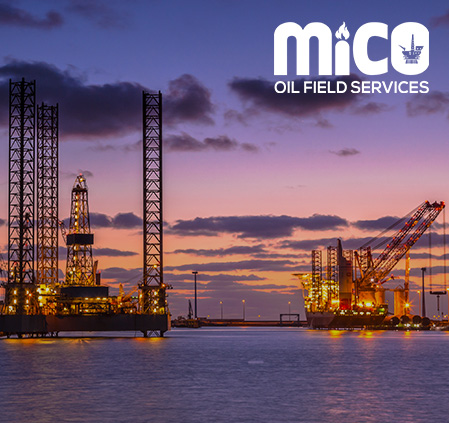
Several major oil and gas firms have successfully optimized their chemical supply chains by implementing best practices. For instance:
A leading oil company in the GCC region partnered with MICO to streamline its chemical supply chain. By leveraging MICO’s expertise to streamline the supply management, the company was able to reduce lead times and improve the reliability of its chemical supplies, resulting in a 15% increase in operational efficiency.
Another prominent oil firm in Oman faced challenges with inconsistent chemical supplies due to geopolitical risks. By adopting a diversified sourcing strategy and collaborating with MICO for supply chain management, the firm significantly minimized supply disruptions, ensuring continuous production even during volatile market conditions.
Efficient chemical supply chains are the backbone of successful oil and gas operations. Companies that invest in optimizing their supply chains through integrated management, strategic sourcing, advanced inventory practices, and strong partnerships can significantly enhance their operational performance. MICO’s role in this process is a testament to the importance of having a reliable partner that understands the industry’s unique challenges and can provide tailored solutions to meet those demands.
Supply chain efficiency goes beyond logistics and inventory management; it directly impacts the financial performance and market competitiveness of oil and gas companies. For instance, optimizing chemical supply chains reduces procurement costs, minimizes waste, and improves the overall quality of operations. This efficiency is particularly important in the oil and gas industry, where the margins can be tight, and the operational costs are high.
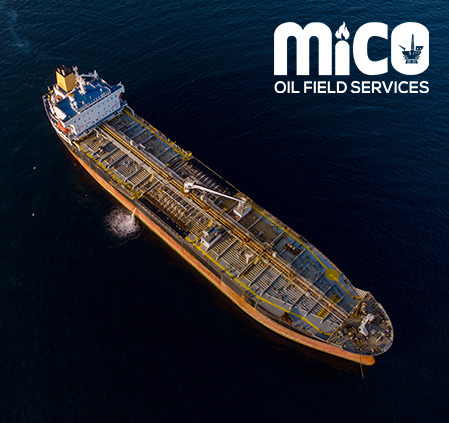
The integration of modern technologies into supply chain management is transforming how companies operate. These technologies enable real-time monitoring, predictive analytics, and automated processes, all of which contribute to more responsive and resilient supply chains.
MICO’s Role in the Industry
MICO’s role in the industry exemplifies how local expertise and a deep understanding of regional challenges can enhance supply chain resilience. By providing tailored solutions that address the specific needs of oil and gas companies in Oman and the GCC region, MICO helps these firms navigate the complexities of supply chain management. Their approach includes not only delivering high-quality chemicals but also offering services that optimize the entire supply chain process—from procurement and storage to transportation and delivery.
MICO’s ability to ensure a steady and reliable supply of chemicals, even in challenging circumstances, highlights the importance of having a trusted partner in the supply chain. Their success in reducing lead times and improving supply reliability for their clients demonstrates the value of strategic partnerships in achieving operational efficiency.
Adaptability in a Changing Industry
The oil and gas industry is inherently volatile, with fluctuations in global markets, geopolitical tensions, and environmental concerns influencing every aspect of the business. Chemical supply chains must be adaptable to these changes, requiring companies to continuously reassess and optimize their logistics strategies. This adaptability is crucial for maintaining operational continuity and meeting the ever-changing demands of the industry.
With increasing environmental regulations and safety standards, companies must ensure that their chemical supply chains meet all legal requirements. This includes proper handling, transportation, and storage of hazardous materials, as well as ensuring that suppliers adhere to international standards. Failure to comply can result in costly fines, legal actions, and damage to the company’s reputation.
Future Trends and Innovations
Looking forward, the future of chemical supply chains in the oil and gas industry will likely be shaped by several emerging trends. These include the increased use of sustainable and green chemicals, the adoption of blockchain technology for transparent and secure supply chain transactions, and the shift towards more localized supply chains to reduce dependency on global logistics networks.
The focus on sustainability is particularly noteworthy, as oil and gas companies face growing pressure to reduce their environmental impact. By sourcing and utilizing chemicals that are less harmful to the environment, companies can not only comply with regulations but also enhance their corporate social responsibility (CSR) initiatives. This shift towards sustainability also opens up new opportunities for innovation and growth within the industry.