



Efficiency in the global oil and gas industry can be enhanced depends on refining services which helps to maintain profitability, optimize output, and meet energy demand. Refinery services encompass a range of essential operations including refining, processing, maintenance, and compliance with stringent environmental standards. In this ever-evolving landscape, efficiency is crucial to streamline operations and ensure safety, while reducing costs and maximizing yield.
Enhanced Efficiency in Strategic Maintenance and Operations
Effective maintenance strategies are fundamental to refinery efficiency. Routine inspections, predictive maintenance, and equipment upgrades prevent costly breakdowns and maximize operational continuity. As refiners face aging infrastructure, implementing modern technologies—such as advanced monitoring systems—plays a pivotal role in extending the lifecycle of equipment. Predictive analytics, enabled by digital transformation, allows for the early identification of potential malfunctions, thereby reducing downtime and optimizing plant availability.
MICO (Al Manazel Integrated Co. L.L.C), a notable provider of refinery services in Oman, exemplifies the importance of comprehensive support in refining processes. Their team integrates maintenance, monitoring, and emergency services to streamline refinery operations, enhancing both performance and safety measures across various oil and gas facilities.
Catalytic Processing and Technological Integration
One of the key areas where refinery services have seen significant advances is catalytic processing. Innovations in catalysts enable refineries to process crude oil more efficiently, yielding higher-quality products while minimizing waste. Catalytic reforming, cracking, and hydroprocessing are optimized with state-of-the-art materials, delivering more energy-efficient operations. Integrating technological solutions like automation and AI-driven control systems further enhances processing precision.
Leading firms like MICO implement cutting-edge technologies across refining processes, ensuring that operations meet both international efficiency standards and local market demands. These services, paired with ongoing technological investments, help reduce environmental impact while improving overall productivity.
Environmental Compliance Efficiency and Sustainability
Refineries must comply with ever-tightening environmental regulations, including emission control and waste management. Service providers are increasingly focusing on environmental protection by implementing sustainable refinery practices such as emission reduction technologies, water treatment systems, and renewable energy integration into refinery operations. Adhering to frameworks like ISO standards ensures that refineries minimize their environmental footprint while remaining competitive.
Companies like MICO, with strong environmental compliance capabilities, offer integrated services to navigate these regulatory challenges while maintaining operational efficiency. They also emphasize the importance of environmentally conscious processes, ensuring that refineries balance economic growth with sustainability.
Emergency Services and Risk Management
Risk management and emergency response services are essential to maintain uninterrupted refinery operations. Whether it’s fire suppression, spill containment, or equipment failure response, having a robust emergency preparedness system in place minimizes disruptions and ensures worker safety. Service providers offer comprehensive risk management plans that address both daily operational risks and long-term project vulnerabilities.

MICO has developed comprehensive emergency response services tailored to the specific needs of oil and gas refineries, ensuring that unforeseen disruptions are swiftly and effectively handled. By incorporating real-time monitoring and response protocols, they help refineries mitigate risks and maintain a high level of operational safety.
Future Outlook
The future of refinery services is closely tied to innovations in digital transformation, advanced analytics, and sustainability. As refineries adopt AI, IoT, and machine learning, the entire value chain— from crude oil intake to refined product output—will become more data-driven, enabling faster decision-making and enhanced optimization. Furthermore, a focus on greener energy practices will continue to reshape the way refinery services evolve, driving the shift toward reduced carbon emissions and eco-friendly solutions.
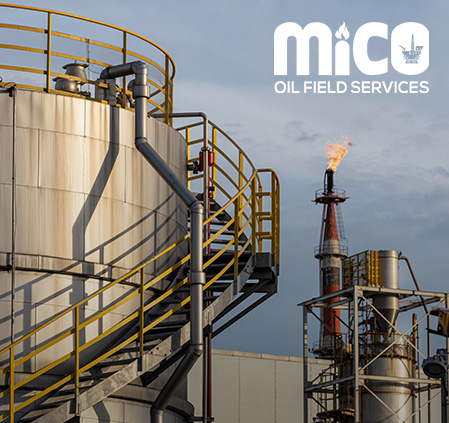
Incorporating such comprehensive services into refinery operations not only enhances productivity but also ensures that refineries remain at the forefront of technological advancement and sustainability efforts. By partnering with companies that provide specialized and integrated services, refineries can optimize performance while adhering to stringent safety and environmental standards.
Discussion
As the global oil and gas industry moves toward more efficient and sustainable refinery operations, comprehensive service providers play an essential role. Through strategic maintenance, cutting-edge catalytic processing, and environmental compliance measures, refineries can significantly enhance their operations. Companies like MICO exemplify how integrated services help refineries adapt to modern challenges while maximizing productivity and ensuring environmental responsibility.
The continuous evolution of refinery services promises to drive further technological integration, risk management improvements, and sustainability advancements. Ultimately, embracing these services allows refineries to stay competitive and innovative in an increasingly demanding energy landscape.